

On the geopolitical front, Mitsotakis told Cypriot President Christodoulides in Nicosia that preliminary Great Sea Interconnector seabed surveys began last week and are proceeding as planned. Turkey had objected, arguing the work touches its claimed jurisdiction, but has so far not acted to disrupt it. Nicosia said the first €25 million instalment of its contribution is due, easing a friction point with Athens. The two leaders pledged to restart Cyprus reunification talks from where they stopped in 2017, and Mitsotakis voiced hope that Cyprus joins Schengen on 1 July 2027, the day Greece takes over the EU Council presidency. Gerapetritis met Fidan in Brussels for the first time since work resumed, urging uninterrupted progress. Fidan did not oppose the project but made no commitments, and described the Turkey-Libya memorandum’s ratification as mainly a Libyan matter. Deputy Foreign minister Chatzivasileiou stressed enlargement as a priority at the General Affairs Council, and Gerapetritis will host the Friends of the Western Balkans in Athens on Monday.
On security, Greek and North Macedonian services uncovered an alleged Iran-linked network planning attacks in Europe with local criminal groups. Four people were arrested in Skopje and Kumanovo and one in Greece, with a sixth sought. Intelligence arrived in March, Mossad was reportedly involved, and the likely target was an Israeli executive with business in Greece or Iranian dissidents abroad. Tehran called the allegations unfounded. Iran has threatened states that let US forces use their bases, and Souda Bay was heavily used during the Iran war, although Greece maintains it is not a party to the conflict. Separately, two Cretan businessmen are under investigation for alleged bribery and fraud involving NATO contracts, after a US undercover operation. In Washington, House Democrats, with Robert Garcia as prospective Oversight chair, are continuing scrutiny of Guilfoyle’s Athens tenure, including the role of lobbyist Christos Marafatsos and contacts with a major construction company. The allegations remain unproven.
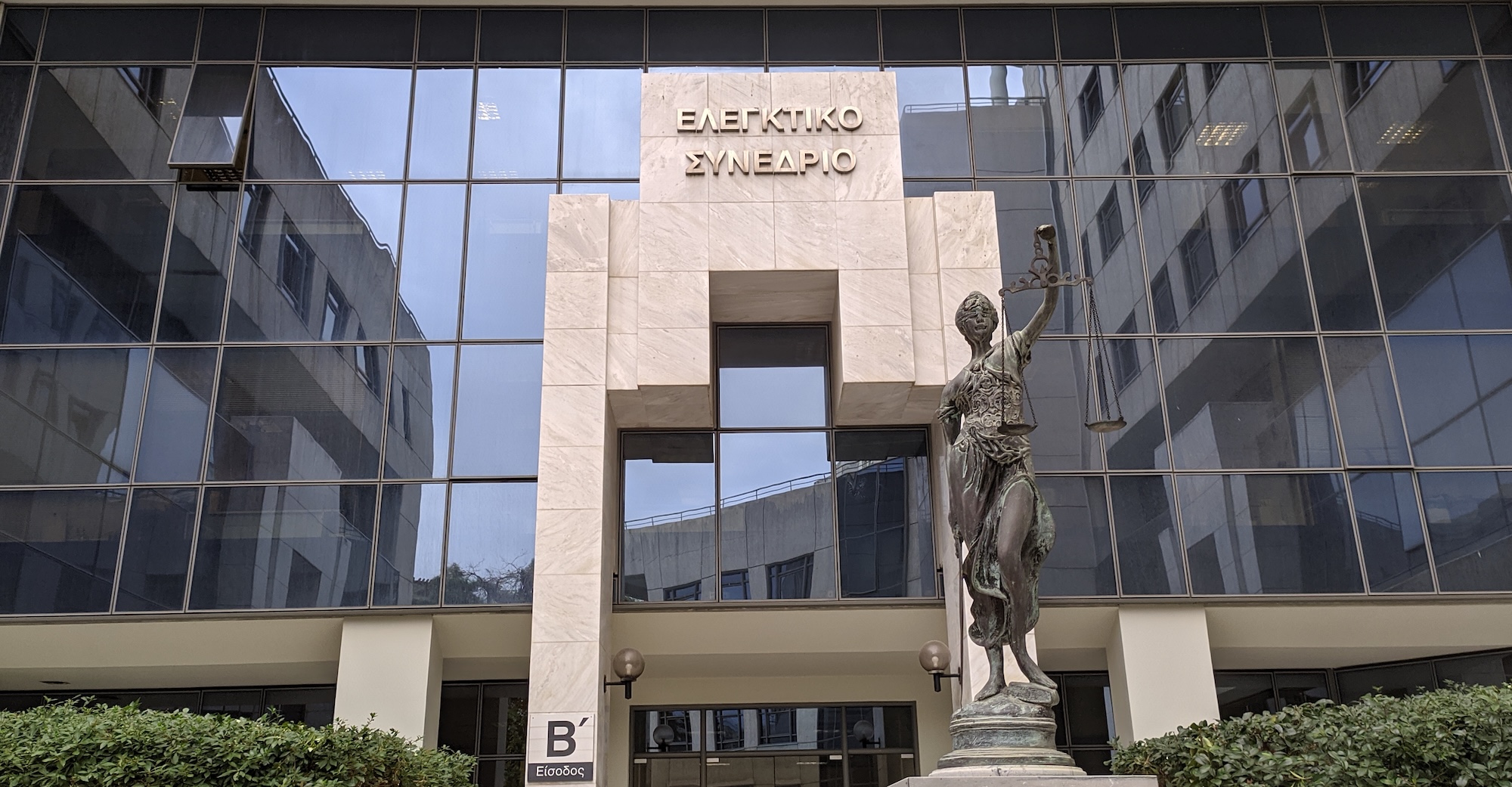
Domestically, surveillance governance is again contentious. ADAE’s draft list of around 40 surveillance suppliers, dated 13 November, reportedly includes Predator and Pegasus. Inclusion is not authorisation, and ADAE is now seeking to revise the list. This follows a decision by the Supreme Court prosecutor’s office not to reopen the Predator investigation, and Greece’s refusal to endorse the Pall Mall Process guidelines on commercial spyware. The Court of Audit’s 2025 report adds an administrative dimension. Overdue debts to the state and social security reached €165.18 billion, or 66.5% of GDP, with €35.03 billion deemed uncollectible and 1.3 million repayment arrangements lost in 2025. Contracts worth €873.91 million were ruled definitively unlawful, only 19% of 666 public bodies had a working internal-control system, and 792 RRF projects stood at just 34.17% of their budget. Local advisory referendums, legislated in 2006 but never held, may soon begin once a ministerial decision is issued.
The electoral arithmetic is the political story. Two polls give ND about 30.3%, ELAS 15.9% and PASOK 12.9%, with nine to eleven parties entering Parliament. One estimate puts the threshold for an outright majority at 39.5% with eleven parties, falling to about 35% with seven. Higher turnout may favour smaller parties, and the government wants fewer of them to cross the threshold. Mitsotakis’s offer of coalition talks with PASOK, the only party he does not exclude, is read as serving three aims: attracting PASOK voters, cultivating post-election cooperation and shifting blame for deadlock. PASOK says it will not cooperate, even without Mitsotakis as prime minister. Cost of living is the top concern for nearly 68% of respondents, against 12.4% for Turkey, while about 51% are worried about the interconnector.
The economic picture turned cautious. The Commission cut its 2027 growth forecast to 1.5% from 1.6%, holding 1.8% for 2026, and sees investment growth slowing from 7.3% in 2026 to 2.5% in 2027 as recovery funds fade. Inflation is forecast at 4.1% in 2026 and 3.2% in 2027, and Greece is among eight EU states where real wages fall in 2026. The government surplus narrows to 0.9% of GDP in 2026 and 0.2% by 2028, and debt falls to 135.7% in 2026 and 130.7% in 2027. Pierrakakis defended the government’s higher projections of 2% and 2.3% growth, 7.9% investment growth and debt at 128.8% of GDP in 2027. The 2027 budget reaches the plenary today, with the committee debate starting late next week and the plenary vote on 11 to 15 December.
In other news, food service revenue fell 2.65% in nine months despite higher prices, and Deloitte finds 63% of firms plan more sustainability spending but only 16% have costed plans. The Commission is referring Greece to the Court of Justice over aircraft identification technology. In energy, Chevron’s survey south of the Peloponnese runs to 31 January, and Energean plans deep-water Ionian drilling in April 2027.
Taken together, this week shows Greece pressing ahead with a contested strategic project and a security agenda under real pressure, while an administration with weak controls, a fragmenting party system and a widening forecast gap faces an election in which an outright majority still looks increasingly demanding.